
Traditional Medicine Practices
Quick Access to Essential Services
Navigate our streamlined services to apply for your license or check the status of your application with ease.
Traditional Medicine
Traditional medicine is the sum of knowledge, skills, and practices used to maintain health and to prevent, diagnose, or treat physical and mental illness, based on cultural beliefs and experiences of different communities. It is usually rooted in a specific culture and passed down through generations, often long before modern biomedicine (hospital/clinic-based “Western medicine”) was established.
Traditional medicine practitioners in the Ghanaian context include medical herbalists, indigenous herbalists, spiritual healers, and complementary medicine practitioners, all contributing to a regulated and culturally rooted healthcare system.

Traditional Birth Attendants
Traditional birth attendants are considered figures who have abilities related to local culture. The birth attendant is responsible for observation of the newborn at and after birth and deciding that the newborn is healthy and ready to be “discharged” to the care of the mother. It is important to link postpartum care of the mother with surveillance and care of the newborn.
Herbal Medicine
Herbal medicine, also called botanical medicine or phytomedicine, refers to using a plant’s seeds, berries, roots, leaves, bark, or flowers for medicinal purposes. Herbalism has a long tradition of use outside conventional medicine.
Herbal Drinks/Tea
Herbal teas are brewed using a wide range of plant materials, including herbs, spices, flowers, and fruits. These ingredients are steeped in hot water to extract flavors, aromas, and potentially beneficial compounds. Herbal teas can be consumed hot or cold, depending on preference.
Herbal Manufacturing Units
The manufacturing process is one of the key steps where quality control is required to ensure the quality of medicinal products, including herbal medicines. Good manufacturing practices (GMP) are one of the most important tools for this measure.
Churches Involved in Herbal Sales and Herbal Centers (Faith-Based Healers)
In Ghana, traditional and faith-based healers (TFBH) are a heterogeneous group that includes Christian and Islamic faith-healers, herbalists, and shrine priests or medicine men. Practices of the healers vary widely. Some provide consultations. Others run residential facilities, commonly referred to as prayer camps or healing centers, where people stay for weeks or even years on various forms of herbal treatments. Herbalists primarily prescribe tonics and ointments.

Psychic Healers
Psychic healing is a type of energy healing in which a practitioner transfers their healing energy to a client. This can be performed through mental focus, visualization, or direct energy manipulation. The goal is to remove energetic blockages that may manifest mentally, emotionally, or physically, helping individuals find balance and clarity. Techniques may involve meditation, chakra and aura work, Reiki, crystal healing, sound therapy, or distant (absent) healing, where energy is sent remotely
.
Commercial Shrines
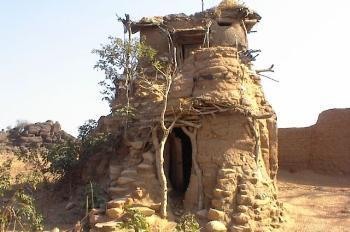
A shrine usually houses a particular relic or cult image, which is the object of worship or veneration. A shrine may also be constructed to set apart a site which is thought to be particularly holy, as opposed to being placed for the convenience of worshipers. Most shrines today are involved in using various forms of herbs in handling cases to the public, and only such will or are regulated by the TMPC.

Herbal Shops
Herbal stores are shops that sell medicinal plants and related products like spices, essential oils, flower essences, tinctures, and elixirs.
Herbal Clinics, Centers, Hospitals etc.
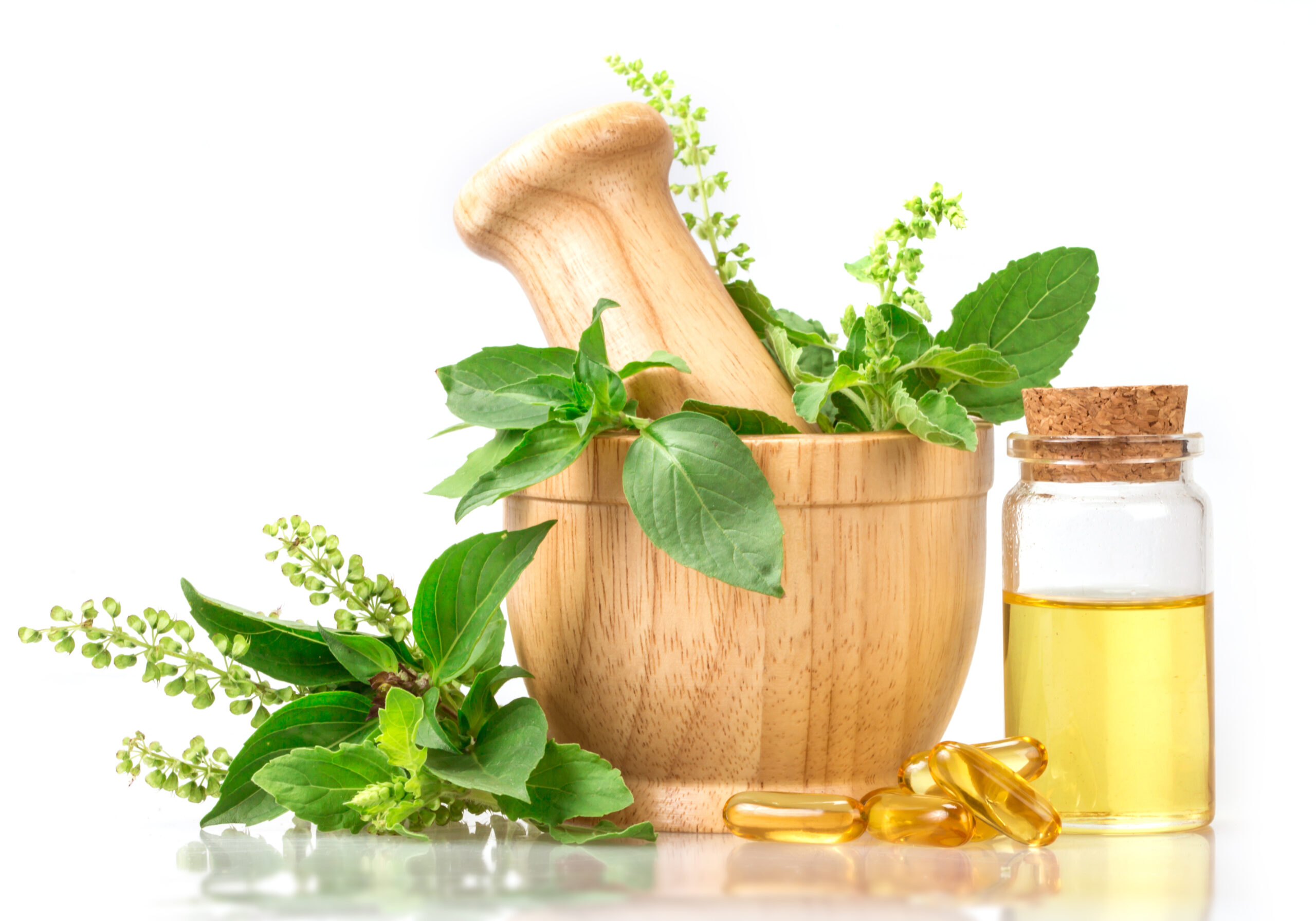
Herbal clinic, centers and hospitals are specialized facilities where trained herbalists and naturopaths use medicinal plants, herbs, spices, and natural remedies to promote health and treat illnesses. They focus on a holistic approach, addressing the physical, emotional, and spiritual aspects of health, and are often considered an alternative or complement to conventional medicine.

Medical Herbalist
A medical herbalist is a practitioner who specializes in the use of plants and herbal remedies to improve health. They are trained to assess patients’ health conditions and provide personalized treatment plans that may include dietary and lifestyle advice alongside herbal medicine. Medical herbalists often work in various settings, including clinics, private practices, and community health centers.

Herbal Hawkers
Herbal hawkers specialize in herbal remedies or traditional medicines, selling them directly to the public. These vendors frequently operate in visible public locations, such as market areas, bus stops, streets, or even mobile vehicles equipped with loudspeakers to advertise their products.
Herbal Liqueurs
Herbal liqueurs are sweetened spirits that have been flavored with plant-based ingredients. They differ from regular spirits in that the botanical infusion is a defining characteristic, giving each liqueur its unique profile. The alcohol base can be neutral spirits, brandy, or other distilled liquors, which extract and preserve the flavors and aromatic compounds from the herbs and botanicals.